When a new electrical system is installed, it’s easy to think the job is done.
In reality, installation is just the beginning. Like any critical infrastructure, electrical systems require ongoing attention to continue operating safely, efficiently and reliably. Connections loosen over time. Components wear. Dust and debris accumulate. Left unchecked, seemingly minor issues can lead to equipment failures, unexpected downtime and costly repairs.
That’s why preventive electrical maintenance has become an increasingly important part of facility management, and why many organizations are looking for partners who can support the entire lifecycle of their electrical systems, not just the initial installation.
Preventive Maintenance Is More Than an Annual Inspection
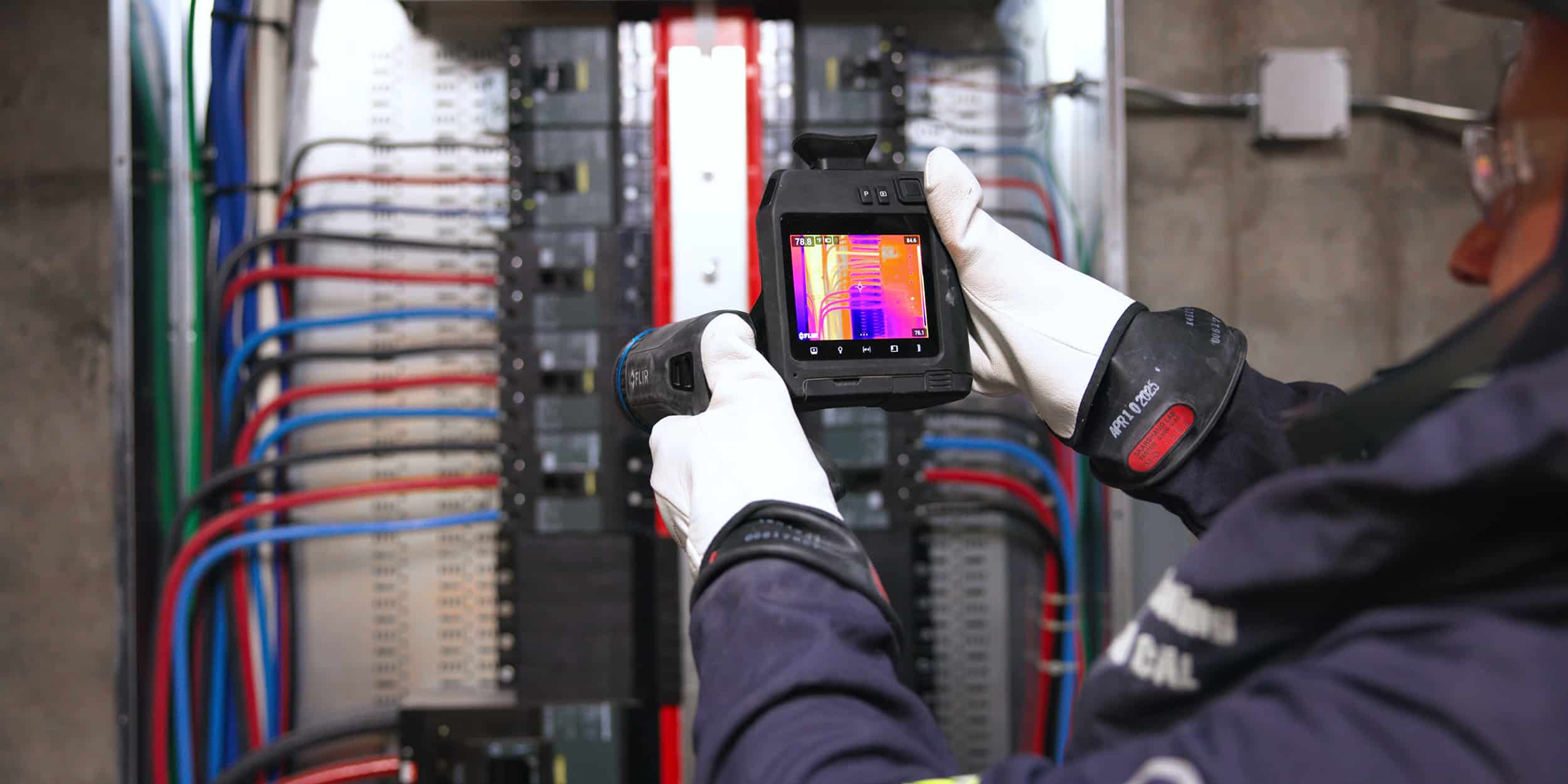
For many people, TEGG is synonymous with infrared scanning. While thermal imaging is an important part of the process, it’s only one part of a much broader preventive maintenance program.
At Miller Electric, our TEGG program includes services such as infrared inspections, arc flash analysis, short-circuit and coordination studies, breaker maintenance, load banking and de-energized preventive maintenance. Together, these services help customers better understand the condition of their electrical systems and make informed decisions about maintenance and repairs — before they interrupt operations.
Finding Small Problems Before They Become Big Ones
Electrical equipment often gives subtle warning signs before it fails. Infrared inspections help technicians identify subtle, abnormal heat patterns that may indicate loose connections, deteriorating components or other developing issues.
Each inspection begins by documenting and tagging every piece of equipment, creating a detailed baseline that customers can reference year after year. If a hot spot is found, our technicians don’t automatically recommend replacing equipment, instead evaluating its severity.
Some concerns require immediate attention. Others can be addressed during a planned shutdown. Still others simply need to be monitored over time.
As Miller Electric’s Electrical Risk Consultant Brian McAndrew explains, “There’s no reason to spend a lot of money at this point, but let’s just trend this to see if it stays or if it gets higher or lower.”
That approach helps customers prioritize repairs based on actual risk rather than assumptions.
Planned Downtime Is Better Than Unexpected Downtime
One of the biggest benefits of preventive maintenance is control.
When potential issues are identified early, replacement parts can be ordered, repairs can be scheduled and work can be completed during planned outages instead of emergency shutdowns.
“It’s better to control your outage than have your outage control you,” Brian says. “If we can find a problem during a scheduled outage as opposed to an outage that is not scheduled, that avoids any unscheduled downtime, worker loss, production loss and loss of revenue.”
That philosophy extends beyond avoiding emergency repairs. Routine maintenance — including cleaning equipment, testing breakers, retorquing connections and exercising switches — can also help extend the life of electrical assets, allowing organizations to maximize the value of their infrastructure.
One Partner. One Maintenance Strategy.
As facilities become more complex, it’s not uncommon for organizations to work with multiple vendors for installation, maintenance, infrared inspections and arc flash studies.
That approach can quickly create scheduling challenges, fragmented documentation and uncertainty about who is responsible for what.
Miller’s TEGG program simplifies that process by bringing those services together under one trusted partner.
“It gives our customers a better scope of work underneath Miller Electric instead of using multiple contractors,” Brian says.
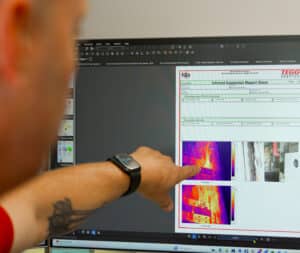
Customers also have access to an online portal that stores inspection reports, baseline images and historical maintenance records in one location. Whether reviewing equipment trends, preparing for an insurance audit or planning future maintenance, the information is readily available when it’s needed.
Keeping Pace with Changing Standards
Preventive maintenance has become even more important as industry standards continue to evolve.
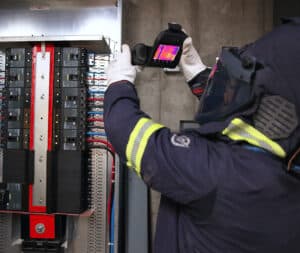
Since NFPA 70B transitioned preventative electrical maintenance from a recommended practice to a standard, organizations are expected to implement comprehensive electrical maintenance programs that include routine inspections and ongoing documentation. Annual infrared inspections have become an important part of meeting those expectations.
Working with a single electrical partner makes staying on top of those requirements significantly easier. Rather than coordinating multiple contractors and maintaining records across different systems, customers can manage installation, maintenance and documentation through one relationship.
Supporting Your Facility for the Long Haul
A reliable electrical system is built and reinforced through years of proactive maintenance, informed decision-making and a commitment to staying ahead of potential issues.
By combining installation expertise with ongoing preventive maintenance, Miller Electric helps customers protect their facilities, reduce unplanned downtime and extend the life of their electrical systems, all while simplifying the process of managing them.
The best electrical problems are the ones your facility never has to experience.